
our model
At Goodness Village, we believe that housing is not something a person has to "earn"—it is the fundamental, dignified foundation required to heal, rebuild, and thrive.
How Housing First Works
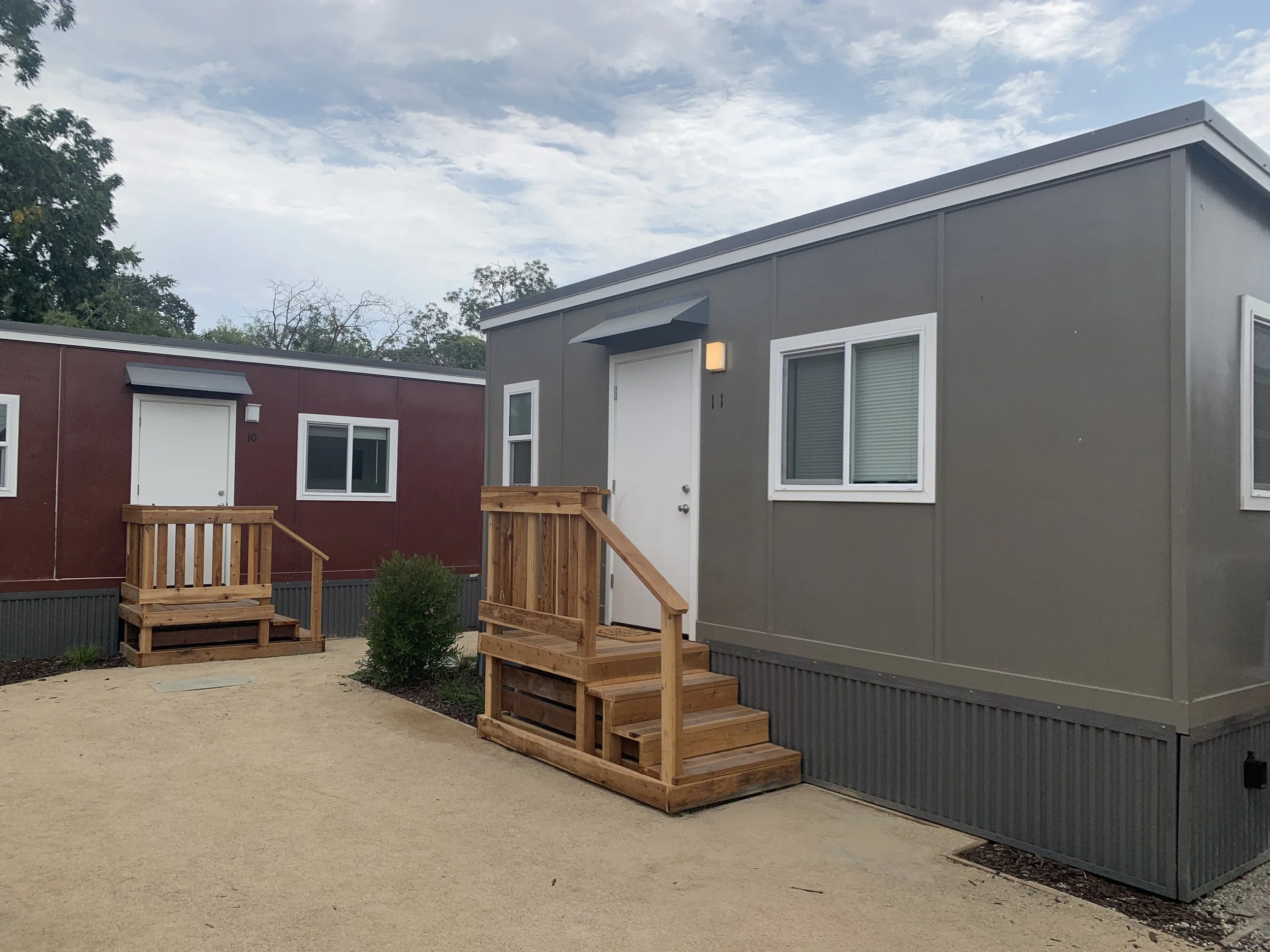
Goodness Village operates under the evidence-based Housing First philosophy, paired with a Permanent Supportive Housing (PSH) model. Unlike temporary shelters or emergency programs with strict time limits, we provide neighbors with permanent leases and independent micro-homes of their own.
By removing barriers to shelter and offering long-term stability, we create a safe environment where healing and personal growth can naturally begin.
Dignified Living & Personalized Homes
We welcome unhoused neighbors into permanent, fully furnished tiny homes equipped with a private bathroom, kitchen, and front porch. Before move-in day, new neighbors fill out an interest list sharing their favorite colors, hobbies, and personal style.
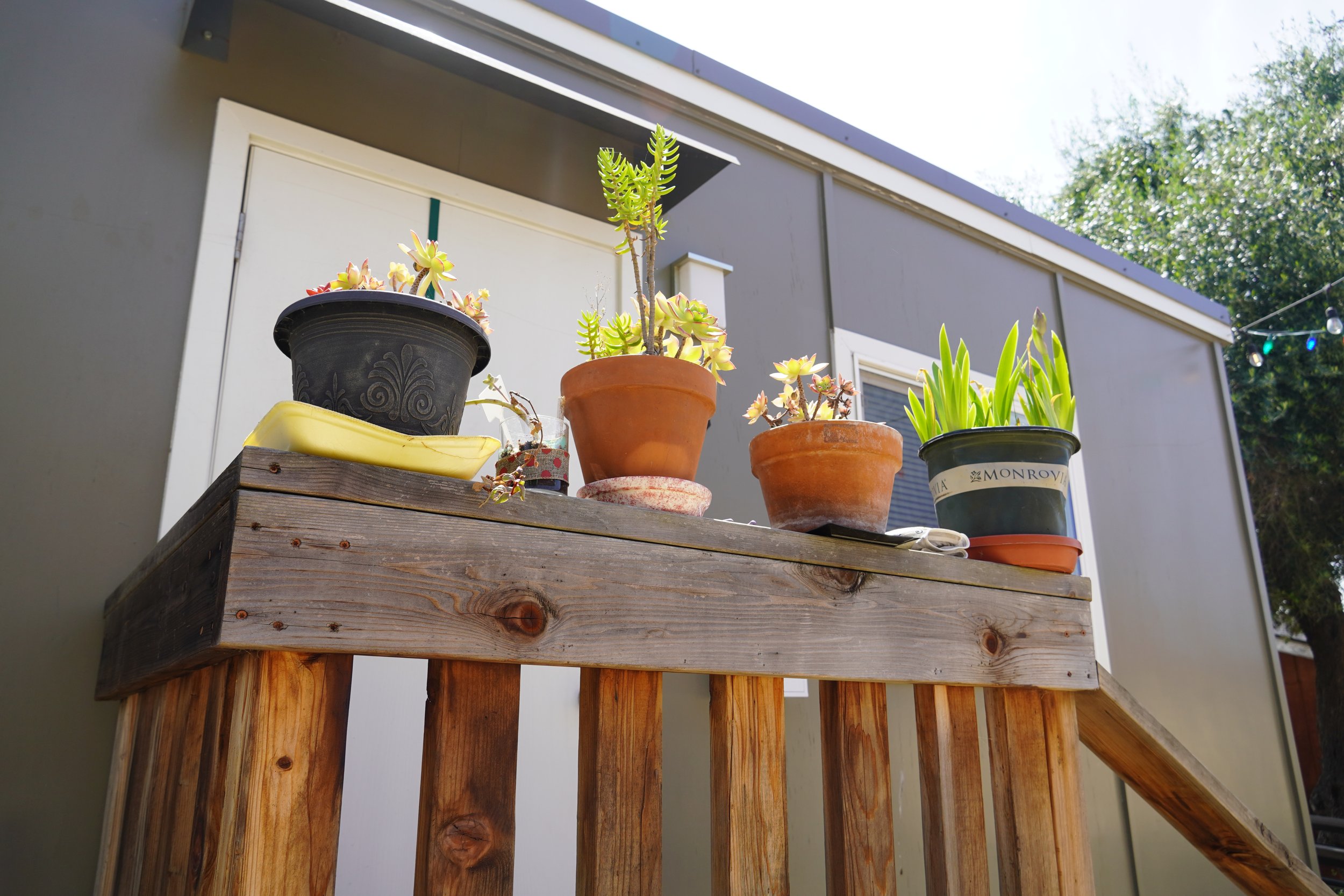
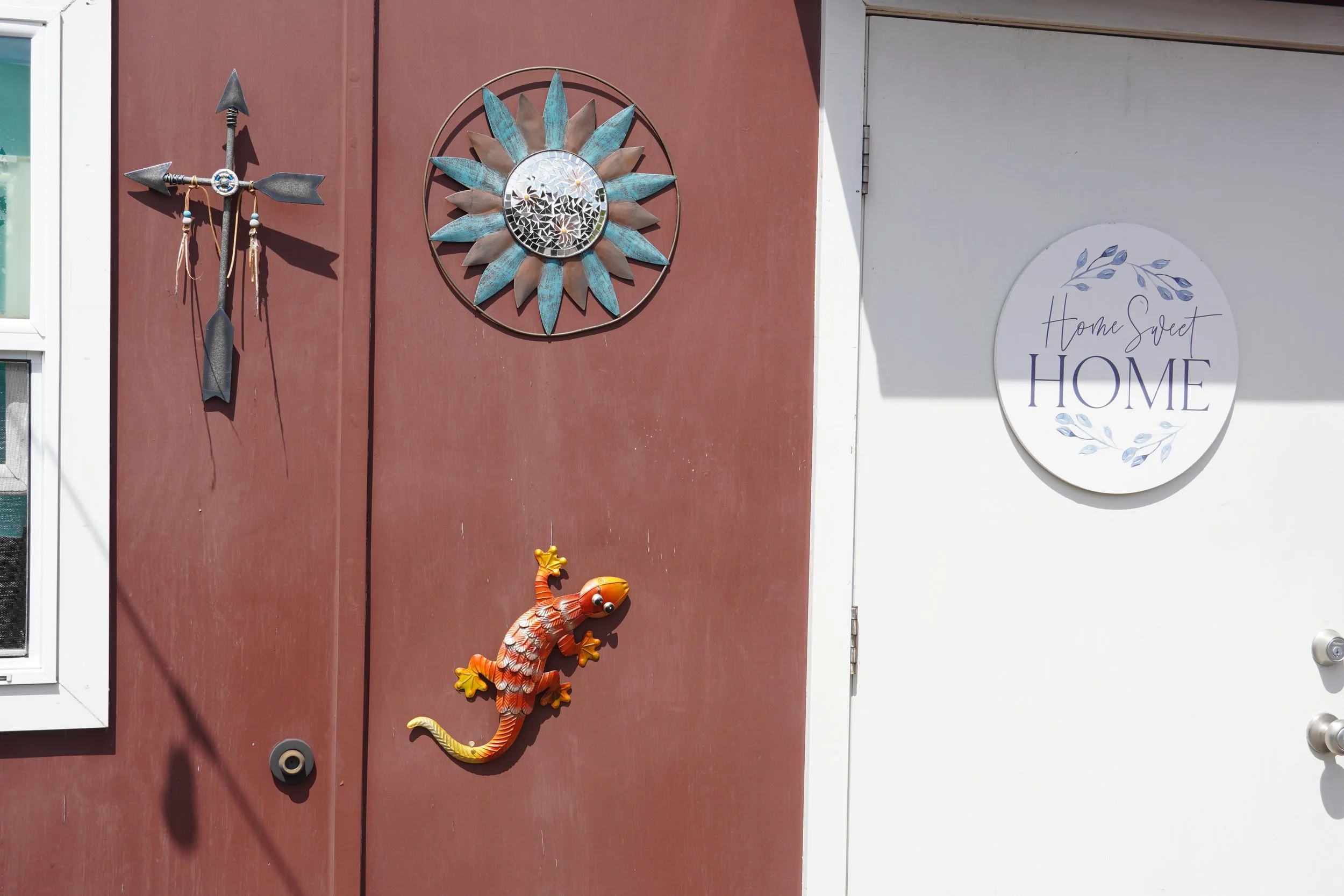
Our team custom-decorates each home so neighbors walk into a warm, personalized space tailored to them—not four blank white walls. From adding porch furniture and bird feeders to hanging family photos and decorating for the holidays, our neighbors have complete freedom to make their house a real home.
Low-Barrier Entry & Financial Sustainability
Our program is designed to build long-term stability and responsibility. Residents pay an affordable monthly rent backed by an established income source (such as General Assistance, SSI, SSDI, or VA benefits).
We do not require pre-conditions like mandatory sobriety to secure housing. Instead, we remove traditional barriers to entry, giving neighbors the safety of a locked door so they can focus on their personal health and future at their own pace.
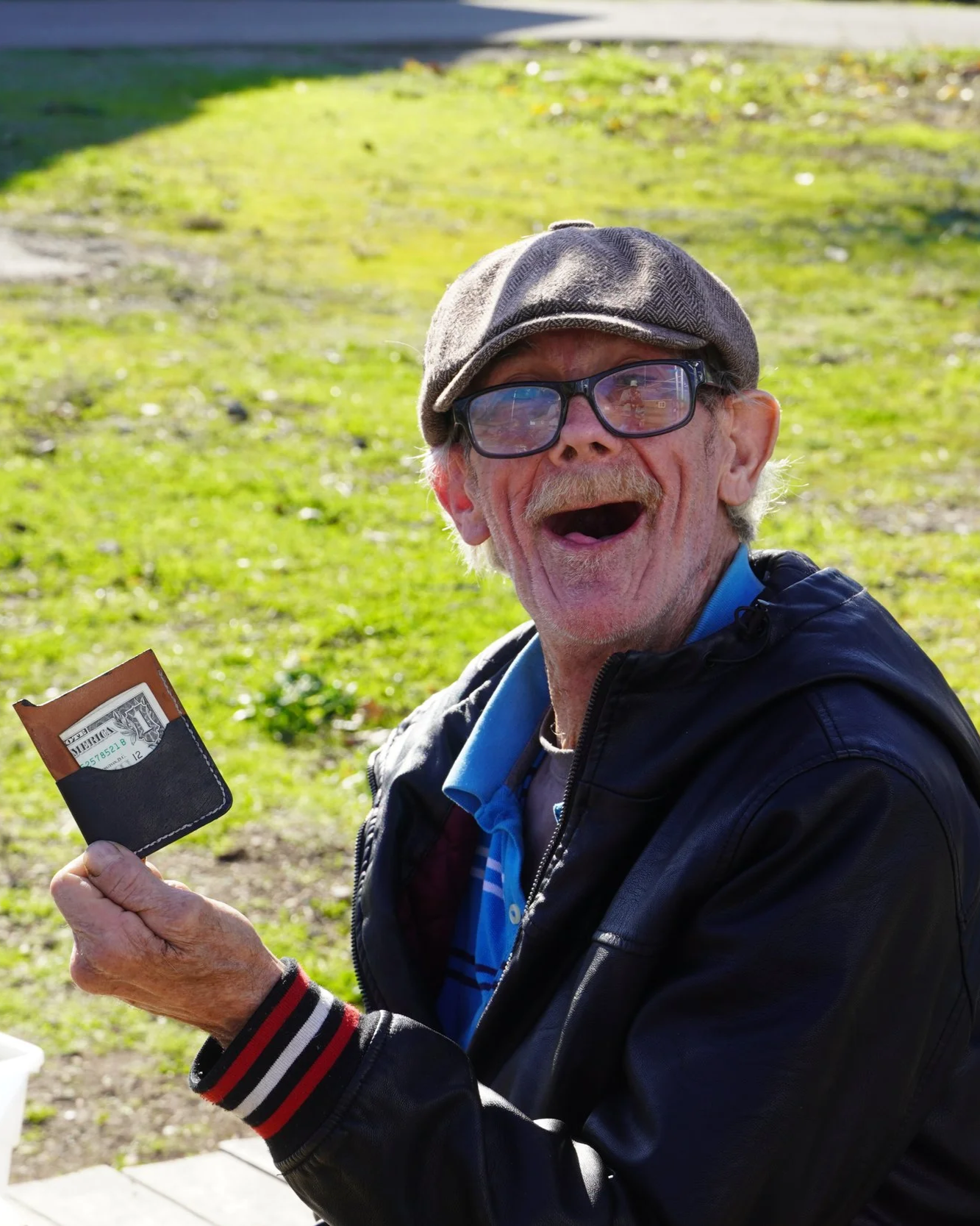
Voluntary, Relational Wraparound Care
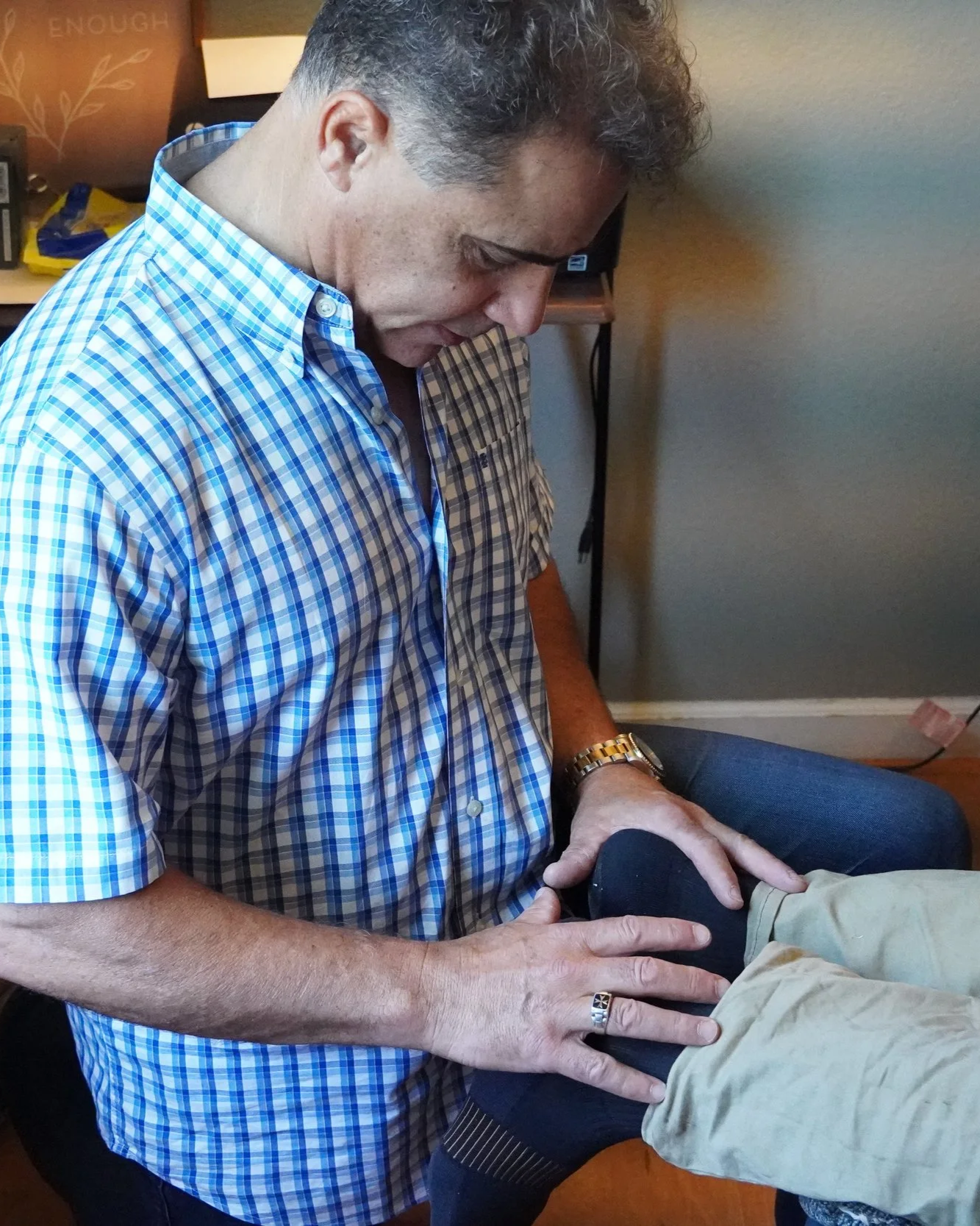
Once housed, neighbors gain access to voluntary, on-site supportive services tailored to their individual goals. Working side-by-side with dedicated Case Managers and trusted Tri-Valley partners in healthcare, mental health, and addiction recovery, residents receive comprehensive care right within their community.
This approach works: Permanent Supportive Housing models achieve 85% to 95% long-term housing retention rates, drastically reducing emergency system reliance while empowering neighbors to reconnect with family, gain vocational skills, and rebuild their lives.